
The Best Time of Year to Paint a House Exterior in Central Texas
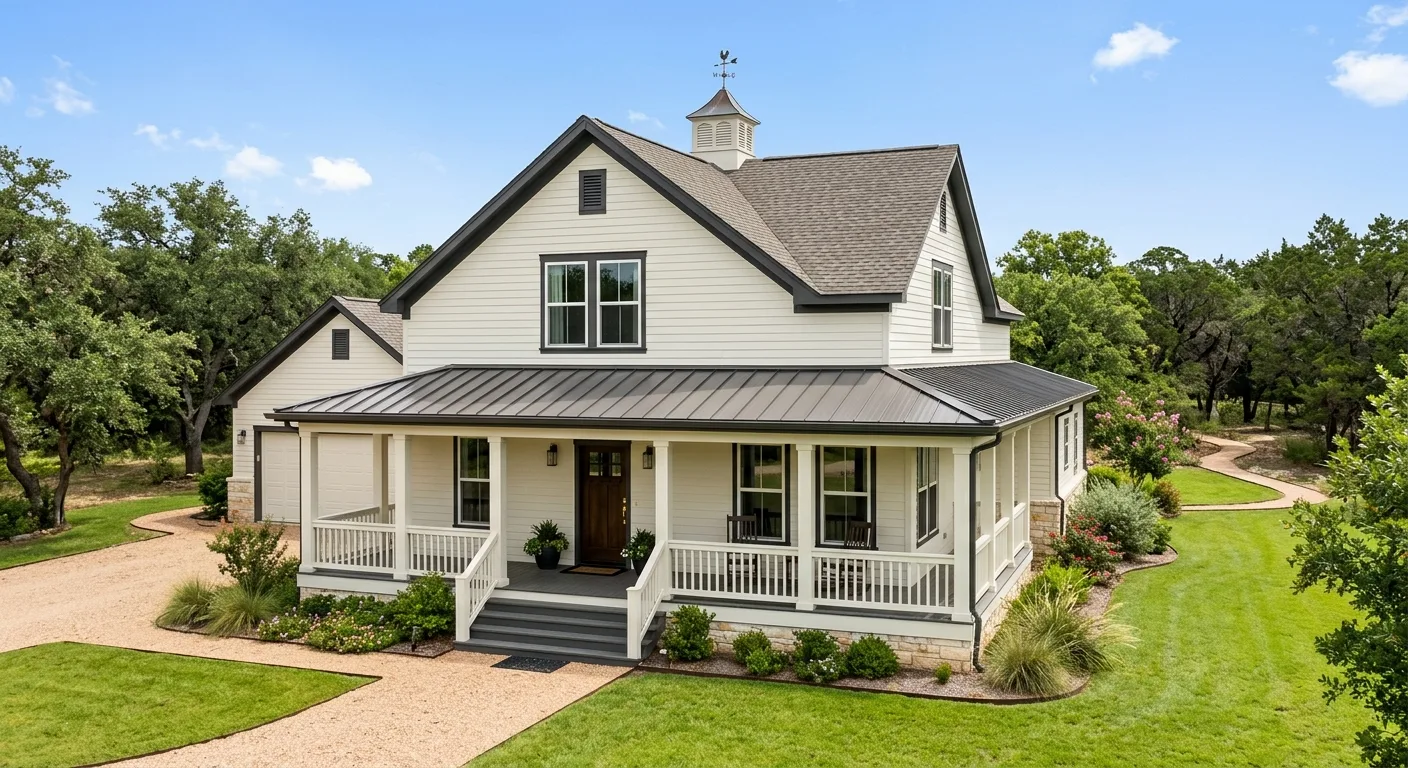
If you are planning to paint the outside of your home in the Bastrop area, timing matters more than most people think. The best time of year to paint a house exterior in Central Texas is spring and fall, when daytime temperatures sit in a steady range and the overnight lows stay mild. I am Julio Cardona, and I run J Cardona Painting here in Bastrop. I do the prep, the painting, and the cleanup myself, and I will not put a coat on your house in conditions that make it fail. Doing it right the first time starts with painting in the right weather.
Paint is a chemical product. It needs the right temperature and the right air to bond to your siding and cure into a hard, lasting film. Push it outside that window and the finish can blister, peel, or just never harden the way it should. That is the difference between a paint job that holds for years and one that looks tired in a season.
Best Time of Year to Paint a House Exterior
In Central Texas, the two windows I aim for are spring (roughly March into early June) and fall (September into November). In those months the daytime air usually sits between the mid-50s and the mid-80s, the overnight lows do not crash, and the sun is not cooking your south-facing walls all afternoon. That gives the coat time to flow out, grab the surface, and set up before the temperature swings.
Most exterior paints want surface and air temperatures to hold above about 50 degrees Fahrenheit for the whole cure window, and that window runs well past the hour I finish rolling. This is the part people miss. It is not just whether it is warm when I am painting. It is whether it stays warm enough overnight while the film is still setting up.
Overnight lows are the part nobody checks
A 78-degree October afternoon looks perfect. But if the overnight low drops into the low 40s, the fresh coat is still curing when the temperature falls below what the paint can handle, and you can end up with a soft film, poor adhesion, or surfactant streaking the next morning. I watch the overnight forecast, not just the daytime high, before I commit to an exterior start date. In early spring and late fall I will push a job back a few days rather than fight a cold night. That is one of the reasons I would rather schedule your exterior for the right season than rush it and have it bite you later.
Can You Paint a House in Texas Summer Heat?
You can, but July and August are the hardest months to get a clean exterior result here, and most of the time I would rather wait. The problem with Texas summer heat is not just the number on the thermometer. It is how fast the paint dries. When the air is in the upper 90s and the sun is driving the surface temperature of your siding well past that, the paint skins over before it has a chance to level and bond.
There is a way to work in summer, and I use it when a job has to happen then: chase the shade. I start on the side of the house the sun has already left, keep a wet edge, and stay off any wall the afternoon sun is hammering. Even then, a mild spring or fall day gives a better, longer-lasting finish with less fight. If your exterior can wait for the right window, it is worth waiting.
What Temperature Is Too Hot to Paint Outside?
As a working rule, once the surface temperature of the siding climbs past about 90 degrees Fahrenheit, you are fighting the paint instead of applying it. Air temperature in the upper 90s usually means wall surfaces in direct sun are well over 100, and at that point the coat flashes dry on contact. Here that is a normal Central Texas summer afternoon on a south or west wall.
The fix is not a magic product. It is sequencing the house so I am always painting a surface that is out of direct sun and within a workable temperature. That is slower, and it is why summer exterior jobs take planning. Painting a baking wall at 2 p.m. in August is how you get a finish that fails, and I will not do that to your home.
How Does Humidity Affect Exterior Paint?
Humidity changes how long paint takes to cure and whether it cures cleanly at all. Water-based exterior paints harden by letting their water content evaporate. When the air is already heavy with moisture, that evaporation slows down, the film stays soft longer, and it is exposed to dust, bugs, and dew for more hours than it should be.
Two humidity situations I avoid on exterior work:
- Painting late in the day when dew is coming. If fresh paint gets hit with evening moisture before it has set, you can get surfactant leaching, those sticky, streaky runs on the surface the next morning.
- Painting a surface that is not fully dry after rain or a wash. Siding can look dry and still hold moisture under the surface. Trapping that under a coat is a recipe for blistering and peeling down the line.
After a power wash or a rain, I give the surface real time to dry before any paint goes on. Central Texas can hand you a muggy stretch in any season, so I check the humidity and the dew point the same way I check temperature. A moderate-humidity spring or fall day is the sweet spot.
When painting your exterior is the wrong call right now
I will tell you straight when to wait. If your siding was painted in the last few years and still looks solid with no peeling, chalking, or bare wood showing, you probably do not need a full exterior repaint yet, and I will say so. And if the only window you have is a cold snap, a rainy week, or the dead heat of August with no shade to work in, the right move is to schedule for the next good window rather than force a coat that will not hold. A rushed job in bad conditions costs you more in the end than waiting a few weeks.
Why the Right Season Protects Your Investment
An exterior repaint is not a small job, and it should last. When I handle exterior painting in Central Texas, the prep and the product matter, but the weather window is what locks it all in. Clean surface, sound prep, right temperature, right humidity, and enough cure time before the next cold night or wet morning. Get those lined up and the coat bonds the way it is supposed to.
If you are ready to repaint your home's exterior and want it done once, done right, I would rather plan it for spring or fall and give you a finish that holds for years. Reach out now and we will put your exterior on the schedule for the next good-weather window. Call Julio at (512) 786-6801 or request a free estimate, and I will walk your home and tell you honestly the best time to paint it.